Metalheads might seem like a chaotic bunch from the outside, but trust me, there’s a surprising level of order, ritual, and shared understanding beneath the surface. It’s not just about the riffs and the screaming; it’s about a deeply ingrained social structure that fosters a unique sense of belonging. The more you dig in, the more you see the threads that bind us together, regardless of how brutal the music gets.
The Shared Sanctuary of Sound: Building Community
It starts with the music, obviously. But the experience of extreme metal transcends mere listening. It’s about a collective immersion in sound, atmosphere, and a shared rejection of the mundane. When you’re standing shoulder-to-shoulder with hundreds, even thousands, of others, all unified by the same visceral response to the sonic assault, something profound happens. You become part of a tribe.
A study published in the *Journal of Community Psychology* highlighted how shared experiences and cultural symbols foster group identity and cohesion. They found that subcultures, like metal, provide a safe space for individuals to explore alternative identities and find social support. I’ve always found that the shared, almost spiritual experience of a live show is like a communal cleansing. You enter the venue carrying your everyday worries, and you leave feeling…well, not necessarily better, but definitely different. More alive, more connected to something bigger than yourself.
This sense of belonging is crucial. Let’s be honest: life outside the mosh pit can be a bit…beige. For many, the metal scene offers a haven where individualism is celebrated, not condemned. It’s a place where you can express yourself without judgment. You’re free to be yourself, flaws and all, because everyone else is too busy moshing to give a damn.
Rituals and Rules: The Unwritten Code
There’s an unwritten code of conduct that governs these gatherings. It’s not about formal rules, but rather a shared understanding of respect and acceptance. It’s evident in things like helping someone up after they fall, sharing space in the pit, and respecting the performers. It’s a social contract built on a foundation of mutual understanding. The community reinforces its norms through subtle cues and shared experiences.
A fascinating article from *The Conversation* explores the idea of ‘social scripts’ in subcultures, noting that these scripts help individuals navigate social situations and build stronger connections. These scripts define behaviors and expectations, fostering a sense of familiarity and predictability within the group. It is this predictability and familiarity that allow the metal community to form such strong bonds. It’s not just a collection of individuals listening to music; it’s a living, breathing ecosystem.
The beauty of the metal scene is in its organic nature. There’s no grand plan; it evolves naturally, shaped by the collective actions and experiences of its members. That’s why it’s so enduring: it adapts and changes with its community, always staying relevant to the members’ needs.
Beyond the Music: Identity and Expression
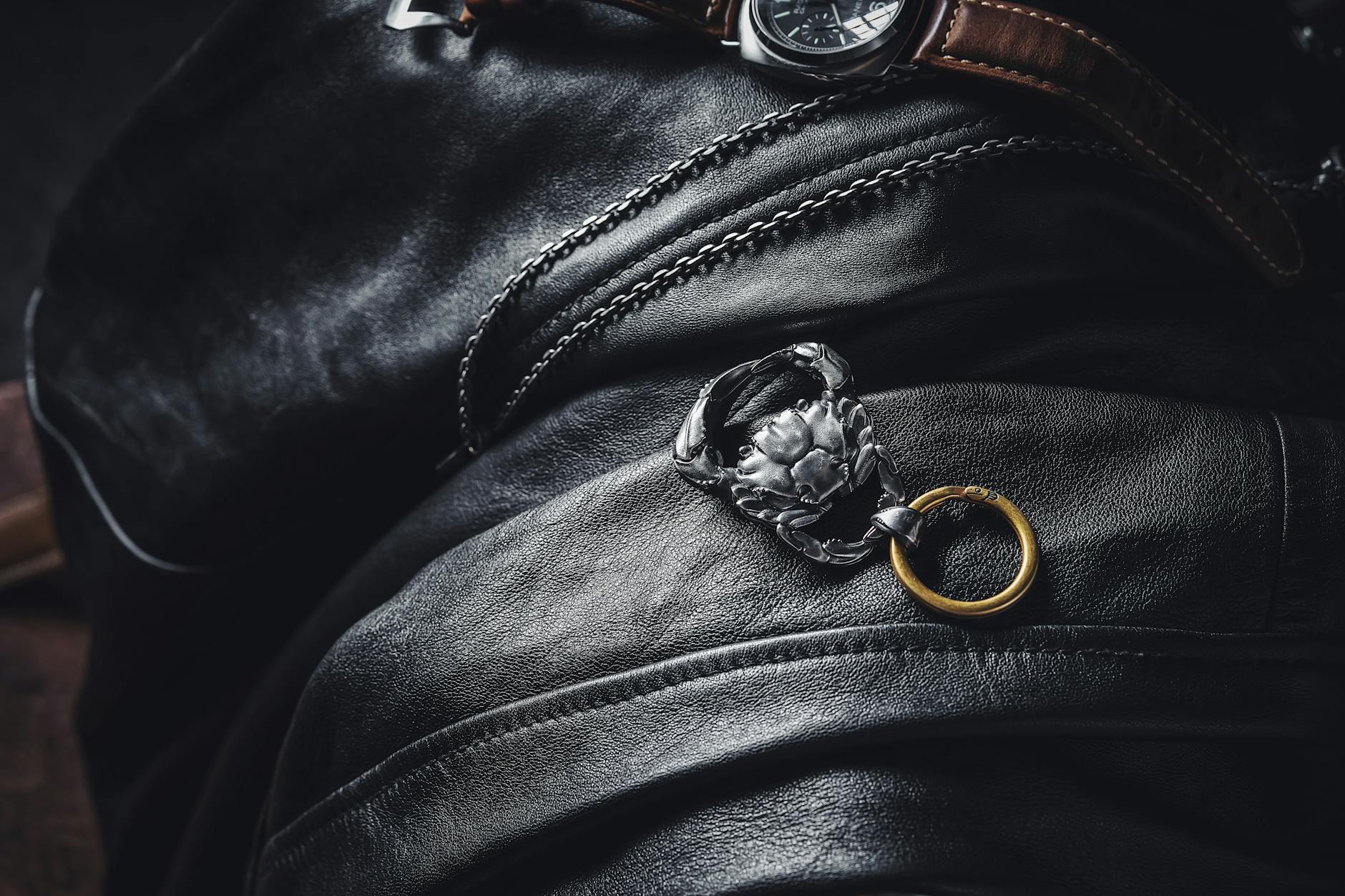
The social dynamics of metal influence the identities of those in the scene. The clothing, the attitude, the shared aesthetic are all powerful tools of self-expression. For many, it’s a way to signal belonging, to find their tribe.
As you know, I deal in numbers, and I also know about risk mitigation. But the risk of expressing oneself is minimal in the metal scene, where the weirdest, most interesting people can thrive. And it’s not just about the look; it’s about the attitude, the worldview, the rejection of conformity. It’s about finding strength in vulnerability.
There’s a lot to be said for the impact this type of community can have on those who embrace it. Think about it. Metalheads stand by each other through thick and thin, something that I know about more than most. It’s a support system, a source of resilience, a place where you can be yourself, no matter how “different” that might be. This environment provides the freedom and space to explore and define your unique identity.
The Evolution of the Scene: Staying Connected
The metal scene isn’t static; it’s always evolving. Technology has played a huge role, especially the internet and social media. Online communities have become vital spaces for fans, allowing them to connect, share their love of the music, and organize events. It’s like having a never-ending virtual bar where the conversation never stops.
In the digital age, it’s easier than ever to find like-minded individuals. I read in *Psychology Today* that online communities can offer the same kind of support and belonging as physical spaces. Online communities are especially crucial for people who might not have access to a local metal scene. They provide a safe space to share their passion and find solace.
And while that online world is vital, nothing beats the real thing. It’s the live shows, the festivals, the local gigs where the metalheads truly come alive. These events are not just about the music. They’re about the shared experience, the collective energy, the feeling of being part of something bigger than yourself.
It doesn’t matter if you’re a seasoned vet or a fresh recruit. The community welcomes all, providing a safe space for expression, acceptance, and a shared appreciation for the heavier things in life. Maybe I can explain it this way: the metal scene is like a well-managed portfolio. You’ve got your established bands and emerging acts, which allows you to diversify your musical tastes, while still taking calculated risks in terms of what you listen to. And the best part? No matter what genre you listen to, at the end of the day, you can still crack open one of those sarcastic mugs and enjoy a damn fine cup of coffee.
The Enduring Power of the Metal Tribe
So, what’s the takeaway? The extreme metal scene is far more than just music; it’s a dynamic social structure. It thrives on shared experiences, unspoken rules, and a deep sense of belonging. The metal community offers a unique haven for those who seek refuge from the mundane, fostering self-expression, providing support, and building lasting connections.
And that, my friends, is why we keep coming back. It’s the music, yeah, but it’s also about the friends, the shared experiences, and the feeling that we’re all in this together.